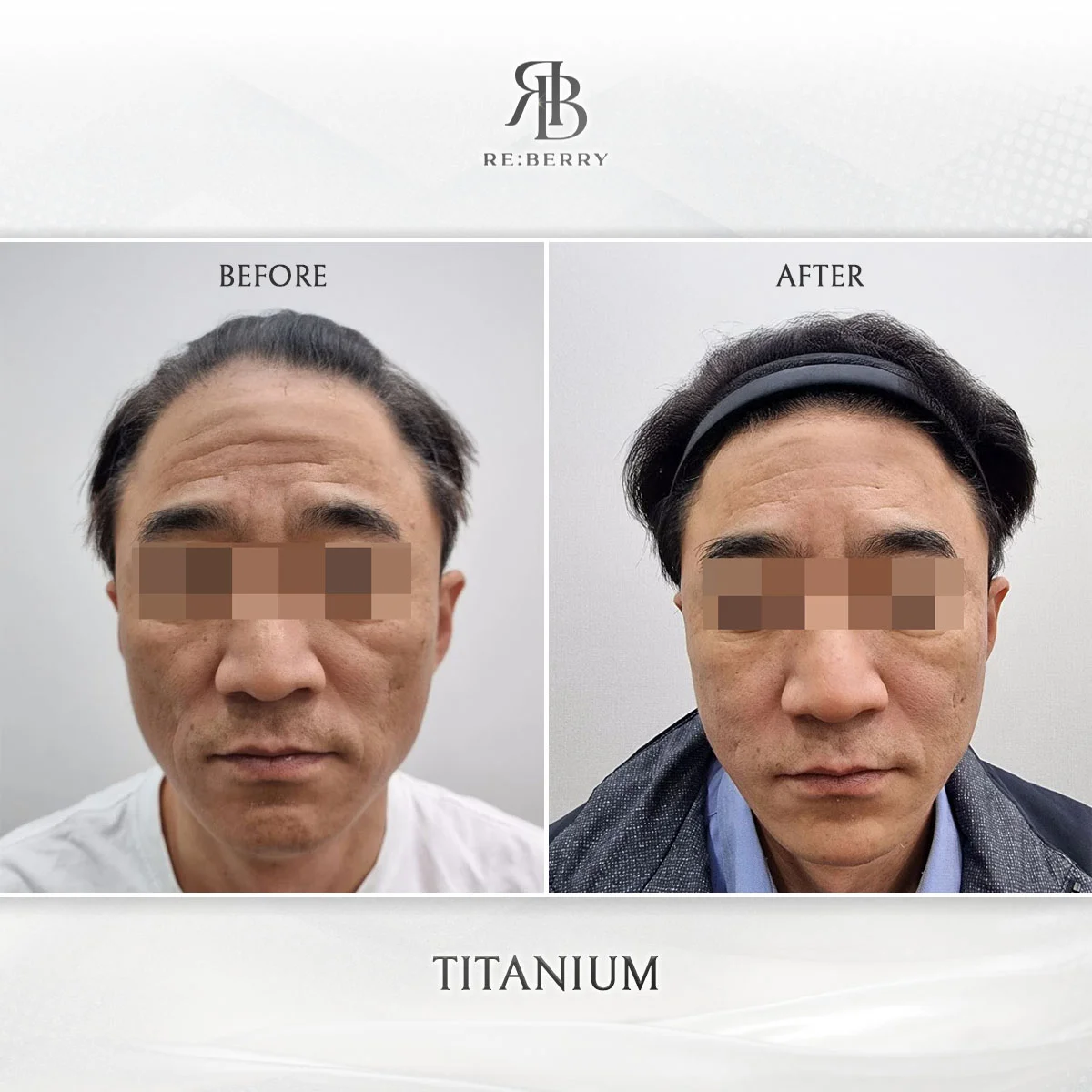
Thread Lift Recovery Timeline: What Happens Day by Day
Thread lift recovery follows a predictable pattern across the first 14 days. Hours 0-6 post-procedure, patients experience mild swelling and a sensation of tightness as the PDO or PLLA threads settle into position. Local anesthetic effects wear off within 2-4 hours, at which point mild tenderness around insertion points becomes noticeable. Applying cold compresses in 10-minute intervals during this window reduces peak swelling by approximately 40%.
Days 1-3 represent the acute recovery phase. Swelling peaks at 24-48 hours, with facial puffiness most pronounced in the morning. Bruising appears in roughly 30% of patients, typically around thread entry points near the temples or jawline. Oral arnica supplements started 3 days before treatment have been shown to reduce bruising duration. Most patients describe discomfort at 2-3 on a 10-point pain scale during this phase, manageable with standard over-the-counter analgesics.
Days 4-14: Visible Healing Progress
The Transition Phase
By day 4, swelling decreases noticeably and the lifted contour begins to emerge. Small dimples or puckering at insertion points may be visible but resolve spontaneously within 7-10 days as tissue relaxes around the threads. Patients can return to desk work and light social activities by day 3-5 in most cases. Physical sensations shift from tenderness to occasional pulling or tugging when making wide facial expressions.
Weeks 2-4 Stabilization
Thread integration into surrounding tissue accelerates during weeks 2-4. Collagen deposition begins along the thread barbs, anchoring them securely while building structural support. Residual numbness around insertion points resolves for 90% of patients by day 14. The lifting effect actually improves during this period as inflammation subsides and collagen scaffolding forms, with final positioning established by week 4.
Essential Aftercare Guidelines
Proper aftercare directly influences thread lift results and recovery speed. Sleep on your back with the head elevated at a 30-degree angle for the first 5 nights to minimize gravitational pressure on newly placed threads. Avoid sleeping face-down for a full 4 weeks, as lateral pressure can shift thread positioning before collagen integration completes. Use a travel pillow to prevent unconscious side-rolling during sleep.
Avoid opening the mouth widely for 2 weeks — this means cutting food into small pieces, avoiding dental procedures, and skipping yawning-style stretches. No facial massages, high-pressure showers directed at the face, or aggressive skincare rubbing for 3 weeks. Strenuous exercise, saunas, and hot yoga should wait until day 14-21, as elevated blood pressure and heat exposure increase swelling and bruising risk. Gentle walks starting day 2-3 are encouraged to promote circulation.
When Can You Fly After Thread Lift?
Flying after thread lift is safe for most patients after 5-7 days. Cabin pressure changes at cruising altitude of 30,000-40,000 feet cause mild tissue expansion, which may temporarily increase swelling if flown within 48 hours of the procedure. For medical tourists visiting Seoul, scheduling the procedure at least 5 days before departure provides adequate initial healing time. Staying hydrated during the flight and avoiding alcohol for 72 hours before flying reduces fluid retention.
Long-haul flights exceeding 8 hours carry slightly higher swelling risk due to prolonged seated positioning and cabin dehydration. Wearing a compression bandage during the flight, as recommended by your practitioner, can mitigate this effect. RE:BERRY provides post-procedure flight timing recommendations tailored to the specific thread count and placement zones used during each patient's session.
Long-Term Recovery and Collagen Building
The full biological response to PDO thread lifting unfolds over 3-6 months. Threads stimulate a controlled inflammatory response that triggers fibroblast activity, producing new type I and type III collagen along each thread pathway. Peak collagen production occurs at 8-12 weeks post-insertion. A study by Yoon JH et al. demonstrated measurable increases in dermal thickness at 6 months following PDO thread placement. Yoon JH et al. J Cosmet Laser Ther. 2019;21(1):56-61. doi:10.1080/14764172.2018.1469769
Absorbable threads dissolve completely within 6-8 months for PDO and 12-18 months for PLLA variants. The collagen scaffold remains intact after thread dissolution, maintaining the lifting effect for an additional 6-12 months. Total result longevity ranges from 12-18 months depending on thread type, placement technique, and individual collagen metabolism. Maintenance sessions spaced 12-15 months apart sustain the lifting effect long-term.